
Essential Techniques for Effective Foundation Waterproofing Solutions
- Taylor Foad
- 2 hours ago
- 3 min read

Water damage to a building’s foundation can lead to costly repairs and structural problems. Protecting your foundation from water pressure, seepage, and soil expansion is critical to maintaining the integrity of your home or commercial property. Effective foundation waterproofing prevents leaks and stops soil movement that can cause cracks and instability. This post explores key techniques used in foundation waterproofing to help you understand how to shield your property from water-related damage.
Understanding the Risks to Foundations from Water
Water can damage foundations in several ways:
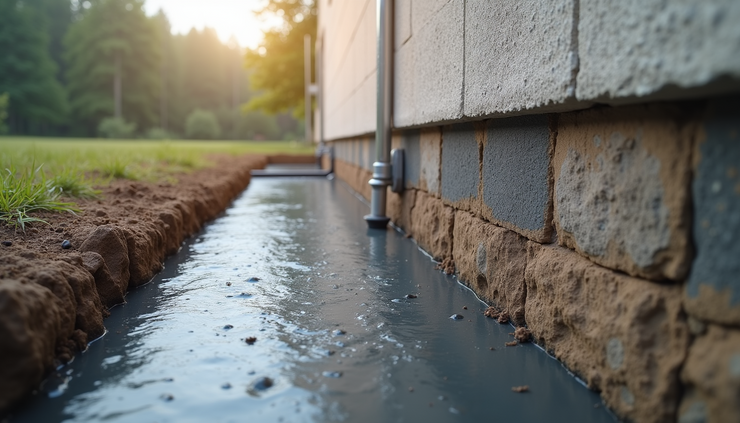
Hydrostatic pressure: Water accumulating around the foundation pushes against the walls, causing cracks or bowing.
Seepage: Water slowly infiltrates through cracks or porous materials, leading to dampness and mold inside basements.
Soil expansion and contraction: Clay soils absorb water and expand, then shrink when dry. This movement stresses the foundation and can cause shifting or cracking.
Recognizing these risks highlights why foundation waterproofing is essential. Without proper protection, water can weaken the foundation’s structure and reduce the lifespan of the building.
Exterior Waterproofing Membranes
One of the most effective ways to prevent water from reaching the foundation walls is by applying exterior waterproofing membranes. These are thick, durable coatings or sheets applied directly to the outside surface of the foundation.
How They Work
The membrane acts as a barrier that blocks water from penetrating the concrete or masonry.
It seals joints and cracks to prevent seepage.
Some membranes are self-healing, filling small cracks that develop over time.
Installation Process
Excavation around the foundation to expose the walls.
Cleaning and repairing any existing cracks or damage.
Applying primer to improve adhesion.
Installing the waterproof membrane, often made of rubberized asphalt or polyethylene.
Adding a protective drainage board to prevent damage to the membrane.
Exterior membranes are highly effective because they stop water before it reaches the foundation, reducing the risk of internal leaks and structural damage.
Drainage Channels and Systems
Water pooling near the foundation increases hydrostatic pressure and the chance of leaks. Proper drainage systems redirect water away from the foundation to reduce this pressure.
Types of Drainage Solutions
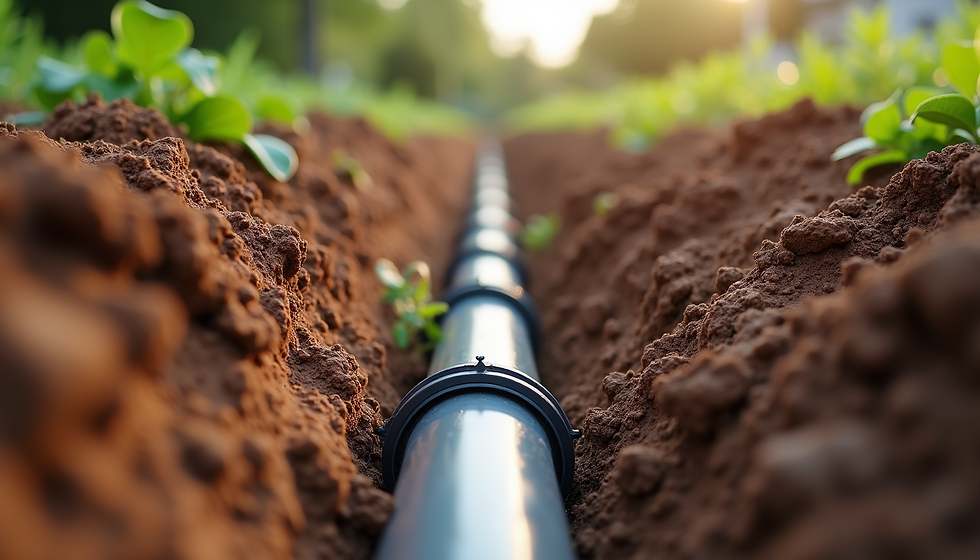
French drains: Perforated pipes surrounded by gravel installed around the foundation perimeter to collect and channel water away.
Surface grading: Sloping the soil away from the foundation to prevent water accumulation.
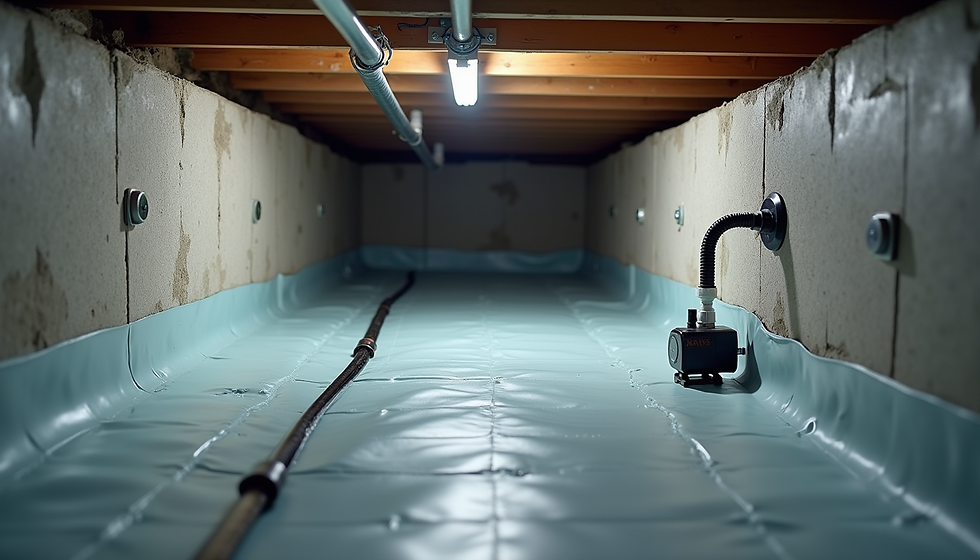
Drainage channels: Installed at the base of foundation walls to capture water and direct it to a sump pump or storm drain.
Benefits
Reduces water buildup around the foundation.
Minimizes soil saturation and expansion.
Lowers the risk of basement flooding.
Combining drainage systems with waterproof membranes creates a comprehensive defense against water damage.
Crack Injection Repairs
Cracks in foundation walls are common entry points for water. Repairing these cracks is vital to maintaining a waterproof seal.
Injection Materials
Epoxy injections: Used for structural cracks to restore strength.
Polyurethane injections: Flexible and expand to fill cracks, ideal for stopping water leaks.
Procedure
Clean and prepare the crack.
Insert injection ports along the crack.
Inject the sealing material under pressure.
Allow curing to form a watertight seal.
Crack injection is a minimally invasive method that can be done from inside or outside the foundation. It stops leaks and prevents cracks from worsening.
Soil Treatment and Stabilization
Soil conditions around the foundation affect water movement and pressure. Treating and stabilizing soil can reduce water infiltration and soil expansion.
Techniques
Soil grading: Reshaping the landscape to direct water away.
Soil additives: Applying lime or cement to improve soil stability.
Installing moisture barriers: Plastic sheets or geotextiles placed under soil to block water migration.
These methods reduce the risk of soil-related foundation problems and complement waterproofing efforts.
Maintenance and Monitoring
Foundation waterproofing is not a one-time fix. Regular maintenance and monitoring help catch issues early.
Tips for Homeowners
Inspect the foundation and basement walls for cracks or damp spots.
Ensure gutters and downspouts direct water away from the foundation.
Check drainage systems for blockages or damage.
Schedule professional inspections every few years.
Early detection of water problems can save thousands in repairs and keep your foundation stable.
Water poses a serious threat to foundations, but using a combination of exterior waterproofing membranes, drainage systems, crack injection repairs, and soil stabilization can protect your property effectively. These techniques work together to stop leaks, reduce water pressure, and prevent soil movement that damages foundations. Regular maintenance ensures your waterproofing system continues to perform well over time.

Comments