
Transform Your Crawl Space: Effective Drainage Solutions for a Dry, Healthy Home
- Taylor Foad
- 2 hours ago
- 3 min read

A damp crawl space can cause serious problems for your home. Moisture leads to mold growth, unpleasant odors, and even structural damage. Addressing these issues at the source is the best way to protect your living space and maintain a healthy environment. This post explains how combining perimeter drainage, vapor barriers, sump pumps, and encapsulation can transform your crawl space into a dry, safe area.

Why Crawl Space Drainage Matters
Crawl spaces often collect water from rain, groundwater, or plumbing leaks. Without proper drainage, this moisture can:
Encourage mold and mildew growth
Cause musty odors that spread into your home
Attract pests like termites and rodents
Weaken wooden beams and flooring
Increase humidity, affecting indoor air quality
Ignoring these signs can lead to costly repairs and health risks. Effective drainage stops moisture before it causes damage.
Components of an Effective Crawl Space Drainage System
A comprehensive drainage system uses several elements working together:
Perimeter Drainage
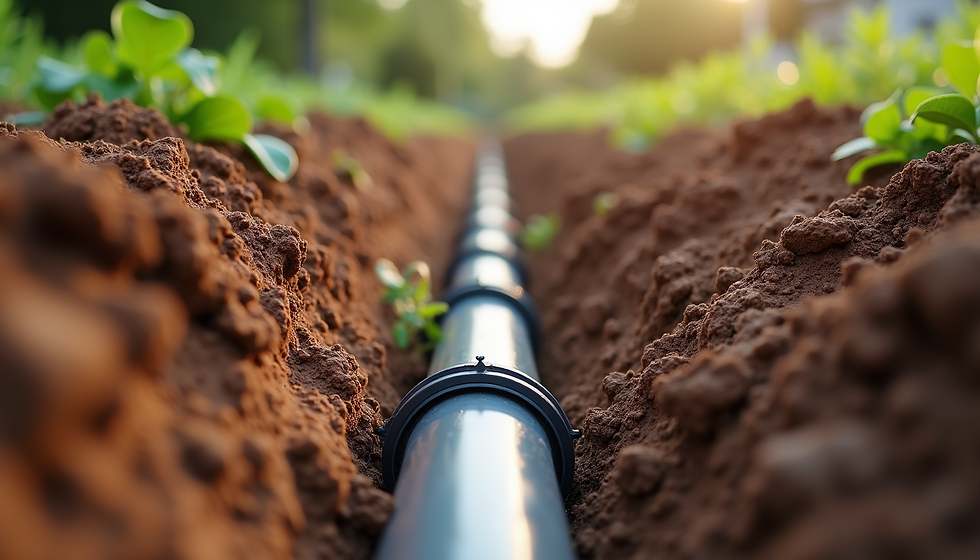
Perimeter drainage involves installing a system of pipes around the crawl space’s edge. These pipes collect water seeping through the soil and direct it away from the foundation. This prevents water from pooling under your home.
French drains or perforated pipes are common choices
Pipes are usually covered with gravel to improve water flow
Water is directed to a sump pump or a safe drainage area
Vapor Barriers
A vapor barrier is a thick plastic sheet that covers the crawl space floor and sometimes the walls. It blocks moisture from the ground from entering the crawl space air.
Polyethylene sheets of 6 mil or thicker are standard
Seams are sealed with waterproof tape to prevent leaks
Covers the entire crawl space floor and extends up walls if possible
Sump Pumps
Sump pumps remove water collected by the perimeter drainage system. They pump water out of the crawl space and away from the home, usually to a storm drain or dry well.
Automatically activates when water reaches a certain level
Battery backup options keep pumps running during power outages
Regular maintenance ensures reliable operation
Encapsulation
Encapsulation seals the crawl space completely, combining vapor barriers with sealing vents and insulating walls. This creates a controlled environment that stays dry and clean.
Seals off outside air and moisture
Improves energy efficiency by reducing heat loss
Prevents pests and dust from entering
How These Solutions Work Together
Each component plays a role, but their combined effect is what truly protects your crawl space:
Perimeter drainage removes water before it can accumulate
Vapor barriers stop moisture from the soil
Sump pumps actively remove water that enters
Encapsulation seals and insulates the space
Together, they create a dry, healthy environment that protects your home’s foundation and improves indoor air quality.
Signs Your Crawl Space Needs Drainage Solutions
Look for these warning signs:
Musty or moldy smells inside your home
Visible mold or mildew on crawl space surfaces
Standing water or damp soil under the house
Wood rot or sagging floors above the crawl space
Increased allergy or respiratory issues among family members
If you notice any of these, it’s time to inspect your crawl space and consider drainage improvements.
Practical Steps to Improve Crawl Space Drainage
Here are some actionable steps homeowners can take:
Inspect your crawl space regularly for moisture and damage
Clear gutters and downspouts to direct water away from the foundation
Grade the soil around your home so it slopes away from the foundation
Install a perimeter drainage system if water collects near the foundation
Add a vapor barrier to block ground moisture
Use a sump pump to remove water quickly
Consider encapsulation for long-term protection and energy savings
Benefits of a Dry Crawl Space
Investing in crawl space drainage offers many advantages:
Protects your home’s structural integrity
Reduces mold and mildew, improving air quality
Eliminates musty odors
Lowers energy bills by improving insulation
Prevents pest infestations
Increases home value and comfort
Choosing Professional Help
While some steps like cleaning gutters or adding soil grading can be DIY, installing perimeter drainage, sump pumps, and encapsulation often requires professional expertise. Professionals can:
Assess your crawl space’s unique conditions
Design a system tailored to your home
Ensure proper installation and sealing
Provide maintenance advice
Hiring a reputable contractor ensures your crawl space stays dry and healthy for years.


Comments