
Understanding Idaho Clay: The Impact of Hardpan on Water Drainage and Foundations in Meridian, Kuna, and Nampa
- Taylor Foad
- 2 hours ago
- 3 min read

Idaho’s Treasure Valley, including Meridian, Kuna, and Nampa, sits atop a unique soil formation known as hardpan clay. This dense, compacted layer plays a significant role in how water behaves near the surface and affects the stability of home foundations. Homeowners and builders often face challenges caused by this soil type, especially when it comes to drainage and structural integrity. This post breaks down what Idaho clay is, why it seals water at the surface, how it damages foundations, and which drainage systems work best in these areas.

What Is Idaho Clay and Hardpan?
Idaho clay, often called hardpan, is a dense, compacted soil layer found just below the topsoil in many parts of the Treasure Valley. It consists mainly of fine clay particles that have been compressed over thousands of years. This layer is almost impermeable, meaning water cannot easily pass through it.
The hardpan layer typically sits just a few inches to a couple of feet below the surface. Because of its density, it acts like a natural barrier, preventing water from draining downward. Instead, water pools above the hardpan, saturating the upper soil layers.
Why Idaho Clay Seals Water at the Surface
The fine particles in hardpan clay pack tightly together, leaving very little space for water to move through. When it rains or when irrigation water soaks into the ground, the water hits this dense layer and cannot penetrate further. This causes water to collect near the surface, creating soggy conditions.
This sealing effect leads to several problems:
Surface water pooling: Water stays on or near the surface, increasing the risk of flooding or standing water.
Slow drying: The soil remains wet for longer periods, which can harm plants and landscaping.
Increased runoff: Since water cannot soak in, it runs off quickly, potentially causing erosion or carrying pollutants.
How Hardpan Clay Damages Foundations
The presence of hardpan clay beneath homes in Meridian, Kuna, and Nampa can cause serious foundation issues. Here’s how:
Soil Expansion and Contraction
Clay soils expand when wet and shrink when dry. Because water pools above the hardpan, the soil near foundations often becomes saturated and swells. During dry periods, the soil shrinks. This constant movement puts pressure on foundation walls and slabs, leading to cracks and structural damage.
Poor Drainage Leading to Water Pressure
Water trapped above the hardpan increases hydrostatic pressure against foundation walls. This pressure can cause walls to bow inward or crack. Over time, this weakens the foundation and may require costly repairs.
Frost Heave Risks
In winter, water trapped in the soil freezes and expands. This frost heave can lift and crack foundations, especially if drainage is poor and water remains near the surface.
Effective Drainage Solutions for Idaho Clay Zones
Managing water around homes built on hardpan clay requires drainage systems designed to handle slow water movement and surface pooling. Here are some drainage options that work well in Meridian, Kuna, and Nampa:
French Drains
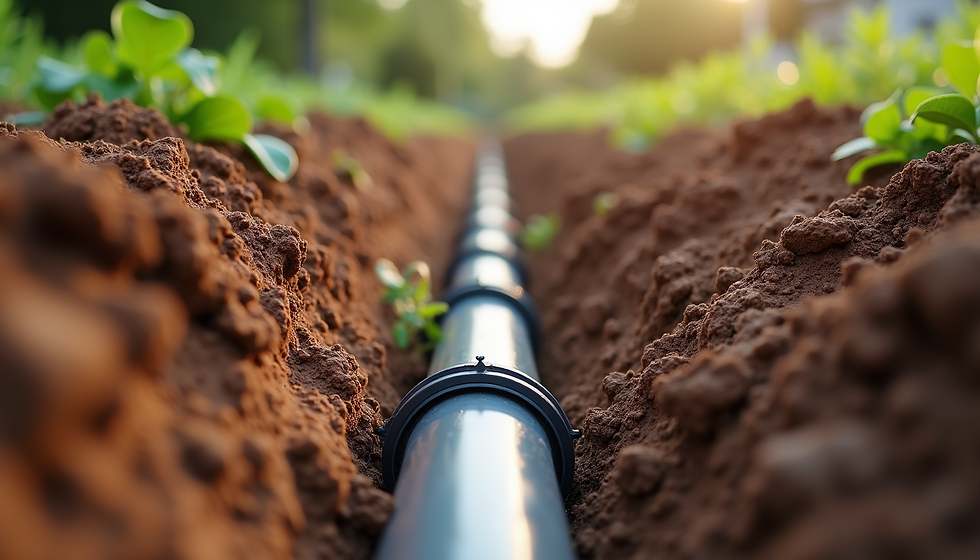
French drains consist of perforated pipes buried in gravel trenches. They collect water from saturated soil and redirect it away from foundations. Because water moves slowly through clay, French drains need to be installed below the hardpan layer or at its edge to be effective.
Surface Grading and Swales
Proper grading slopes the ground away from the home, encouraging water to flow off the property. Swales—shallow ditches—can channel surface water to safe drainage areas. These methods reduce water pooling near foundations.
Dry Wells
Dry wells collect excess water and allow it to slowly infiltrate into the soil away from the home. In hardpan areas, dry wells must be sized properly and placed where the hardpan layer is thinner or absent.
Sump Pumps
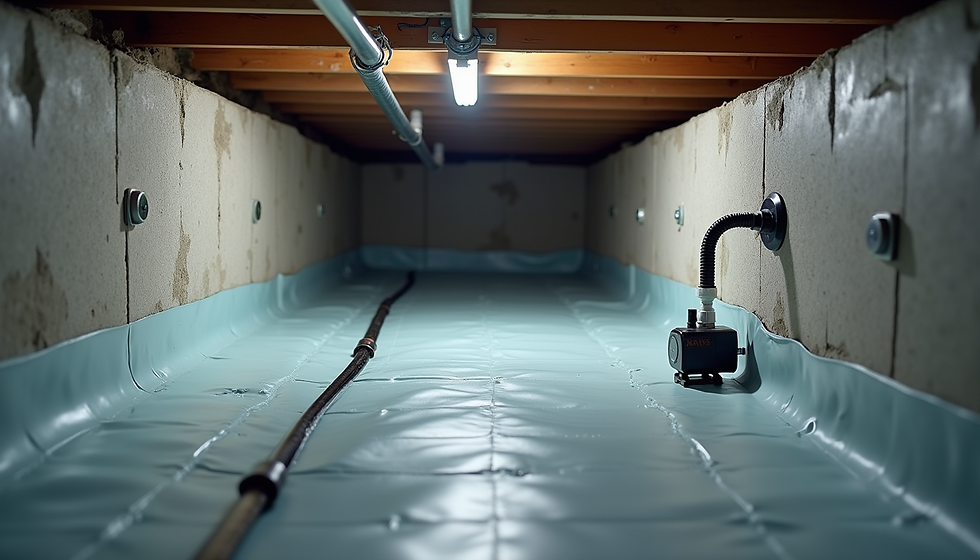
In areas where water accumulates heavily, sump pumps can remove water from basements or crawl spaces and pump it away from the home. This is a practical solution when natural drainage is insufficient.

Tips for Homeowners and Builders in Idaho Clay Areas
Test your soil: Before building or landscaping, have a soil test done to identify the depth and characteristics of the hardpan layer.
Plan drainage early: Incorporate drainage solutions during construction to avoid costly retrofits.
Maintain gutters and downspouts: Ensure water from roofs is directed away from the foundation.
Avoid overwatering: Excess irrigation can saturate soil and worsen foundation problems.
Inspect foundations regularly: Look for cracks or signs of movement and address issues promptly.
Understanding the behavior of Idaho clay and hardpan is essential for protecting homes in Meridian, Kuna, and Nampa. Proper drainage design and soil management can prevent water damage and foundation issues, preserving property value and safety.

Comments